
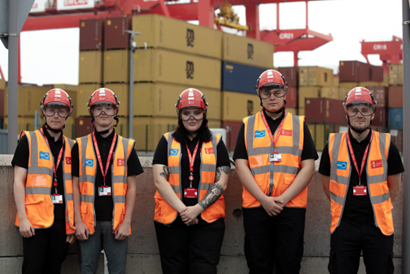
PSS believes that to deliver safer ports, the combination of focus on skills and safety is vital. Whilst it is more obvious that sharing safety data, learning, and best practice will make ports safer; it is ultimately people – their skills, knowledge and commitment to a safety culture, that will make ports one of the safest places to work.
Skills ensure there is an adequate workforce, with the skills to work safely and the ongoing development to adapt to changing requirements. Sharing safety learnings and resources can only make ports safer if people are able to understand and implement them. Ports cannot become safer if people don’t know how to act safely. Port workplace culture must promote safety as the main driver for performance, and people and the main drive for safety.
The PSS Skills Strategy 2023 – 2028 document was the first skills strategy by the organisation, launched to detail how PSS would reposition itself over the five years as the main port skills organisation, working alongside other wider maritime organisations. The strategy contains three pillars.
Pillar one: Career pathways
Pillar one focuses on mapping roles from entry-level to senior positions, linking training and qualifications to operational needs, supporting workforce planning and retention, collaborating with partners to promote skills and progression, providing talent development programmes such as apprenticeships, graduate programmes, internships, and work experience.
Pillar two: Current and future skills requirements
Pillar two focuses on understanding current and future skills requirements across the port sector and considers the impact of emerging technologies such as artificial intelligence, automation, robotics, the Internet of Things (IoT), and cloud computing, alongside the growing importance of data and cyber security. It also recognises the changing nature of training delivery, including the use of simulators, virtual reality, and other digital learning methods, as well as the additional training required to support the energy transition and the use of new and alternative fuels.
Pillar three: Skills standards
PSS is the standard setting body for port skills, and this work includes developing and reviewing occupational standards, competency standards, and considers the potential for PSS to expand its role through accreditation of sector-specific training.
Skills Strategy
This five-year plan, updated in January 2026, demonstrates how PSS is leading on skills in the port sector, focusing on all the elements that support a strong, future-proof, highly skilled workforce. This includes understanding the long-term career needs for both new entrants and the existing workforce, promoting the sector by developing skills which allow port workers to maximise their employment opportunities and helping train the workforce to stay safe.
Port Skills Group and working groups
The Port Skills Group (PSkG) meets four times each year (two in-person and two online meetings) to bring together those working in skills-related roles such as learning and development, human resources, and training in member organisations.
These meetings allow for valuable networking in addition to providing presentations on relevant topics.
PSS facilitates working groups to drive forward current projects in collaboration with members and to review qualifications, apprenticeships and National Occupational Standards with members and stakeholders.
Join Us
Find out more about the benefits of being a PSS member and how to apply.