NEWS

Physical health and mental wellbeing

Campaigns |

Published: Mar 24, 2026

Port environments are physically demanding, high‑pressure and often unpredictable, with workers navigating irregular hours, changing weather conditions, and manual or repetitive tasks. But physical health is more than strength or stamina; it plays a fundamental role in mental wellbeing, shaping how workers think, feel and cope throughout a shift. Across ports, workers face fatigue, physical exertion, environmental stressors and the mental load of high‑stakes decision-making. Strengthening physical health through small, achievable habits can have powerful effects on resilience, energy levels and emotional stability.

Why physical health matters in port work

Work at ports cover a wide spectrum, from labour‑intensive roles such as rope handling or machinery operation, to office‑based and control room positions where individuals spend long periods seated. Across all these functions, the body plays a defining role in how well employees can perform, recover and maintain resilience.

Long‑term pain, musculoskeletal strain, concerns about health, fatigue, disrupted sleep and the cumulative stress of high‑pressure tasks all exert a strong influence on how people feel. Low mood, stress or poor mental health can make individuals less likely to exercise, eat well or take positive steps for their physical wellbeing, reinforcing the cycle.

Nutrition: stabilising energy and supporting mood

Shift work disrupts natural eating rhythms. Many workers skip meals, rely on quick high‑sugar foods or eat at times when the body is not ready for digestion. These patterns can cause irritability, energy crashes and reduced concentration.

Good nutrition for shift workers is about sustainable routines such as having regular meals, food prepared in advance, and balanced options with protein, fibre and slow‑release carbohydrates. Resources like the  NHS Eatwell Guide, and the 1‑2‑3‑4‑5 Food Challenge can help to build healthier habits. Nutrition also affects men and women differently, and understanding these differences helps tailor healthy choices to individual needs.

Exercise is one of the five ways to wellbeing and a very good way of making sure that everything remains nice, fit and healthy.

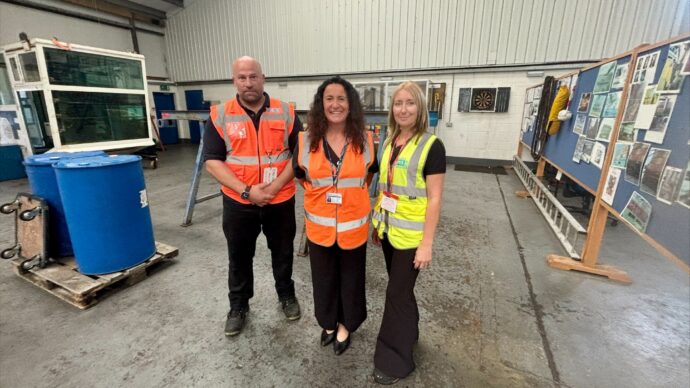
Chris Hatter, Head of Compliance, Portsmouth International Port

Hydration and caffeine

Hydration is one of the most overlooked contributors to wellbeing. Even mild dehydration can cause headaches, tiredness and poor concentration. In busy operations, or during cold weather, workers may not feel thirsty and may under‑hydrate. Caffeine can support alertness when used early in a shift, but excessive use, especially later in the day, can disrupt sleep and contribute to fatigue. Monitoring caffeine intake and drink water consistently supports both mental clarity and physical stamina.

Sleep and recovery: protecting performance and emotional resilience

Sleep is one of the biggest challenges for port workers. Irregular rotations, early starts and physically demanding roles disrupt the body’s natural sleep cycle. Lack of sleep weakens emotional regulation, increases stress reactivity and slows cognitive functioning, all of which impact safety and mental health. Recognising recovery as essential is critical. Predictable shift patterns where possible, alongside good sleep hygiene practices, help ensure rest, restore energy and prevent fatigue‑related strain.

Movement and exercise: supporting both body and mind

Exercise is a recognised pillar of wellbeing, but traditional fitness routines can feel unrealistic for shift workers. Long operations and night shifts often leave little time or energy for structured workouts.

Ports can support movement in practical ways: short activity breaks, varied posture, stretching, or sit‑stand workstations can all support musculoskeletal health. Movement is also essential for mental wellbeing — particularly in male‑dominated or physically demanding environments, where physical activity often serves as a primary coping mechanism.

Portsmouth International Port’s wearable tracker initiative

Everyday habits like eating well, hydrating, moving regularly, sleeping adequately, and allowing time for recovery form the foundation of resilience in port environments. These do not require dramatic lifestyle changes; small, consistent actions accumulate into meaningful improvements for both physical and mental wellbeing.

Portsmouth International Port is trialling wearable technologies that measure posture, strain, stress responses and movement across a range of roles. These tools are helping open conversations around fatigue, physical strain and wellbeing. In the next article, Umayya Rahman, PSS Health, Safety and Environment Technician Apprentice, and Chris Hatter, Portsmouth International Port, Head of Compliance explore how this initiative was trialled, and addresses challenges and benefits it brings to the workforce.

Additional resources

Share article
Linkedin X (Twitter) Facebook